
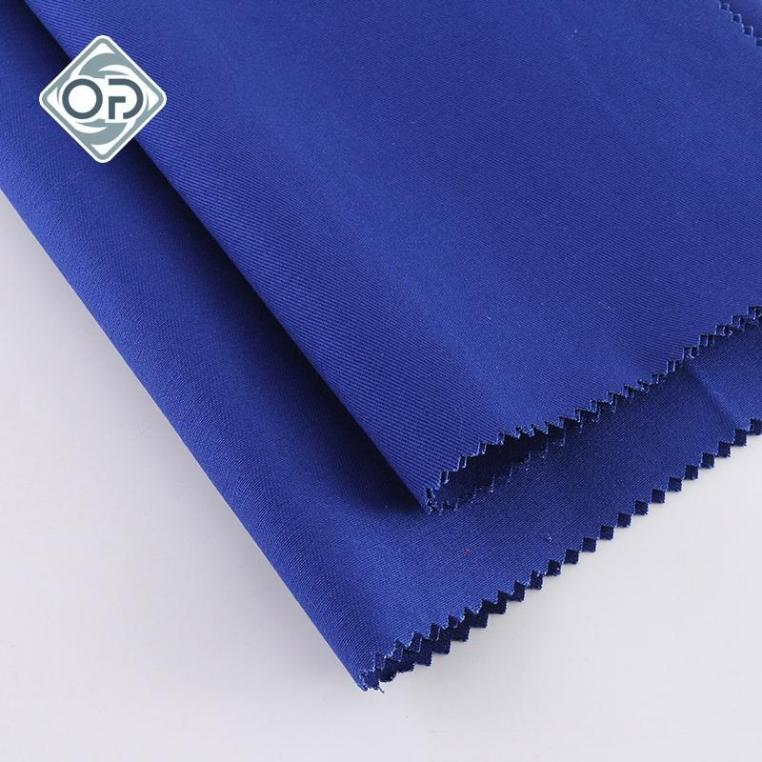
At Hebei Ourui Textile Technology Co., Ltd., we know that great fabric is the result of knowledge in the science of textile engineering. We feel one of the most important things we do to produce our premium twill fabrics is in how our weaving density is painstakingly controlled. This technical specification is not just a number, it’s an important factor that determines the strength, durability and overall performance of your fabric. This article will open new perspectives of the strong relationship between weaving density and the strength oftwill fabric.
Twill Weaves and theFabricDensity Explained
The weaving density, represented in many cases as the amount of square inches that measure warp and weft threads within a single inch, characterizes the tightness between fabric yarns. And this fabric density goes to work in a rather different way. The twill weave is already durable, and resists wrinkling more than some weaves out there – but it’s the density that focuses these characteristics. Higher density means more intertwining points between the warp and weft yarns in a unit area. This makes a denser more cohesive matrix where the threads support and “lock” each other. On the other hand, a looser knit will be more open and more drapable, but may lose its shape. For our engineers here at Hebei Ourui, the decision about which density of twill fabric to choose is a wonderful starting point when designing this style to match the exact strength needs of its intended use.
How Density AffectsFabric Strength
The relationship between the weave density is direct and complicated. Mainly, the higher the density the stronger (in terms of tensile strength, it's ability to withstand being pulled apart) will be your fabric. As more yarn pick up the applied load, the force is divided among more threads, which leads to a delayed failure. Also, higher density greatly enhances fabric's ability to resist rubbing. Low packing density of yarns in the fabric results in more threads being exposed to frictional forces, which reduce its resistance to rubbing and wear. This is especially important in the case of textiles forworkwearor upholsteries. There’s also the bursting strength, which refers to how much pressure can be resisted from one side outwards on the fabric when it is compressed towards a tight weave. It forms a solid mass that is tough to break. But it's a tightrope. An overly high density can cause the fabric to be stiff and difficult to handle, hence increasing production cost.
Engineering the Optimum Balance for Best Performance
At Hebei Ourui Textile Technology Co., Ltd., we specialize in finding the exact equilibrium. It is not only the highest density that we can go for. Instead we would like to optimize it together with other parameters (e.g. thickness of the yarn, type of material, and end usage in fabric). For example, industrial heavy-weight cotton twill would need an exceptionally high weaving density to ensure the woven fabric has maximum strength and abrasion resistance. On the flip side, a softer twill that you see in fashion styles would have a medium grade of finishing which provides just right amount of strength and drape plus comfort. The use of advanced looms and strict quality control means that we regularly reach the required density in all fabrics produced. This attention to detail enables us to supply our customers with a twill fabric that is both strong and long lasting, but also well-matched to their unique manufacturing requirements.
In short, the density of weaving is a foundation on which the quality of twill fabrics can be based. It is a potent force that more than any other dictates the final textile’s strength, durability, and behavior. Having achieved a level of success in this important factor, HEBEI OURUI TEXTILE TECHNOLOGY CO., LTD is able to provide twill fabrics that builders and designers can rely on remaining durable and performing well.